A New Chapter in Regional Conflict: Joint Strikes Target Iran Amidst Rising Tensions
The Middle East has plunged into an unprecedented level of volatility following a series of coordinated attacks by Israel and the United States against key targets within Iran. This dramatic escalation, rooted in a history of regional animosity and previous exchanges, has reportedly resulted in the death of Iran's Supreme Leader, Ayatollah Ali Khamenei, and triggered immediate, forceful retaliation from Tehran. The world watches with bated breath as the conflict threatens to reshape the geopolitical landscape.
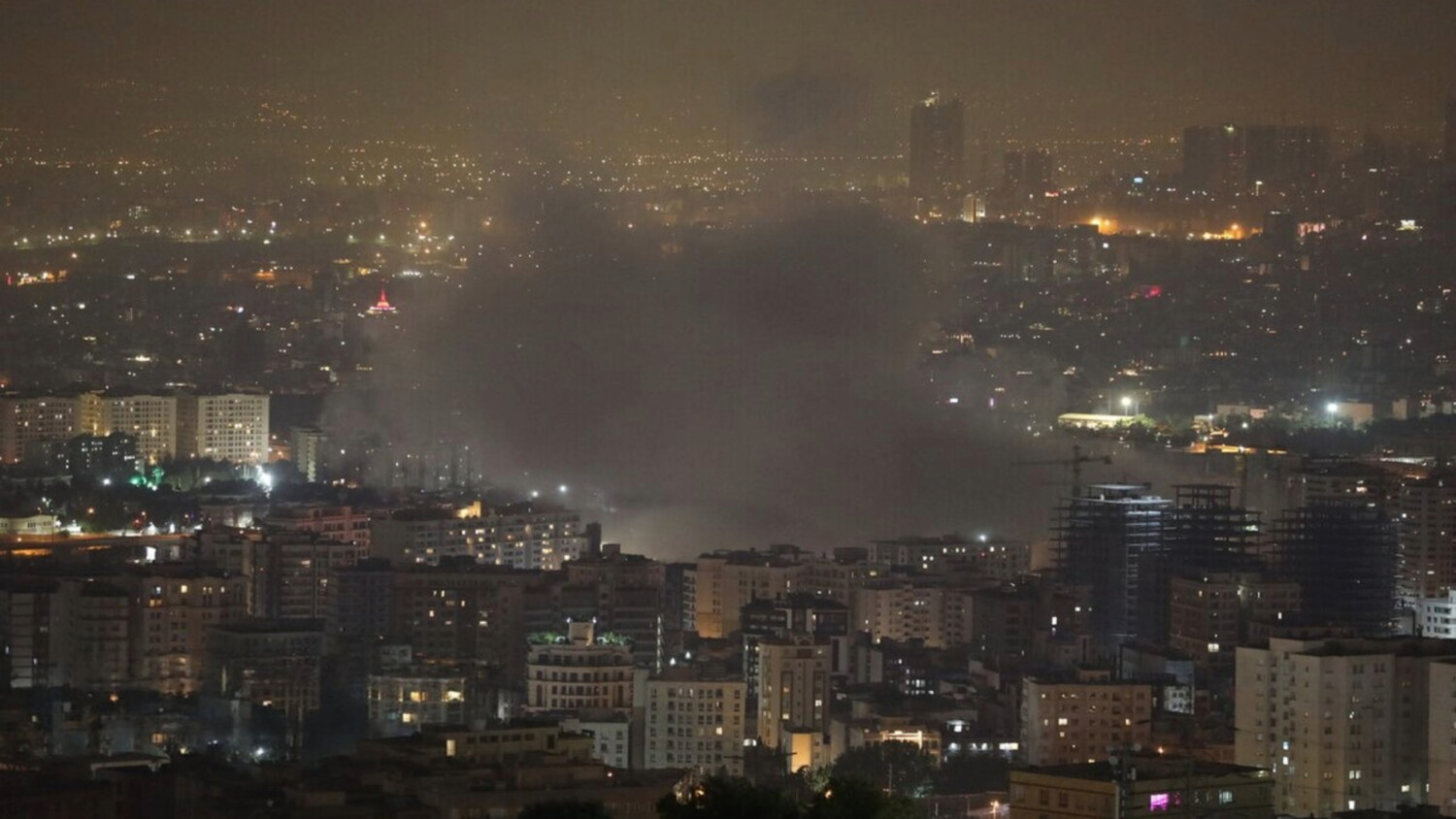
The joint offensive, launched on February 28, 2026, saw Israel and the US targeting various strategic locations across Iran. Reports from the Israeli army indicate that political and military objectives were prioritized, with explosions rocking the capital city of Teheran and thick plumes of smoke visible over the urban landscape. The scale of the operation suggests extensive preparation, with an Israeli military official reportedly confirming to Reuters that the attacks had been months in the making, with the date set weeks prior.
Crucially, among the primary targets were high-ranking officials and critical facilities. The most significant claim to emerge from the initial reports is the alleged killing of Ayatollah Ali Khamenei, Iran's Supreme Leader, during the attack. While the Israeli army also stated that President Pezeshkian was a target and that "successes" had been achieved against "crucial persons," Iran's Tasnim news agency quickly countered, asserting that Pezeshkian was "in good health." The precise impact and verification of these claims remain challenging amidst severe internet disruptions across Iran, making a full and reliable picture difficult to ascertain.
Further reports indicated strikes near Qom and Isfahan, regions known to house Iran's nuclear installations. This has raised alarm bells globally, though it remains unconfirmed whether the sensitive underground complexes themselves were hit. Such targeting, if confirmed, would mark a significant and perilous shift in the conflict's parameters, escalating the stakes to an unimaginable degree.
This current crisis is not an isolated event but rather the culmination of years of simmering tensions. As referenced in historical accounts, Israel and Iran engaged in direct exchanges of attacks twice in 2024, followed by a twelve-day war in 2025. During that earlier conflict, the United States also participated in operations aimed at dismantling Iranian nuclear facilities, setting a dangerous precedent for direct engagement. Israeli Prime Minister Benjamin Netanyahu, in a televised address, reiterated Israel's position, stating that the Iranian regime "must not pose a threat to all humanity" and that Israel had "no other choice but to engage in this struggle." He further called upon the Iranian populace and the Revolutionary Guard to turn against the current regime, promising safe passage to any military personnel who lay down their arms.
Iran's Swift and Forceful Retaliation
True to its pledges of a "crushing response," Iran wasted no time in launching its counter-offensive. The Islamic Revolutionary Guard Corps (IRGC) swiftly claimed responsibility for firing rockets and drones at Israel, citing these actions as a direct response to "hostile and criminal foreign aggression." Residents in Tel Aviv, already on high alert, were compelled to seek shelter as air raid sirens blared across the city, prompting Israel to declare a state of emergency. This immediate reaction highlights the volatile nature of the conflict and the ongoing cycle of
Iran's retaliatory strikes against Israel.
Beyond Israeli borders, Iran's Fars News agency confirmed that military bases housing American personnel in Qatar, Kuwait, the United Arab Emirates, and Bahrain also came under attack. This was a move anticipated by US forces, who had reportedly taken precautionary measures, evacuating non-essential personnel or moving them to secure shelters. The targeting of American assets underscores the broader regional implications of the conflict, drawing the US deeper into the fray as a direct target of Iranian aggression.
The intensity of these initial exchanges suggests that the conflict is far from over. Premier Netanyahu has warned that Israel and the US will persist with their attacks, predicting that Iran will suffer "heavy losses." This indicates a protracted period of hostilities, with Israeli officials preparing for "several days" of sustained operations. The immediate aftermath has left a region already accustomed to instability grappling with an unprecedented level of uncertainty.
Unpacking the Strategic Implications and Geopolitical Fallout
The ramifications of this escalation are profound and far-reaching. The reported death of Ayatollah Ali Khamenei, if definitively confirmed, would plunge Iran into an immediate succession crisis, potentially destabilizing the regime internally and altering its future trajectory. A power vacuum or a contentious succession could lead to significant internal strife, or, conversely, a hardening of resolve among a new leadership. The targeting of other high-ranking officials, though unconfirmed in its success, further signals an attempt to decapitate Iran's strategic command.
The alleged strikes near Qom and Isfahan, even if the nuclear sites themselves were not penetrated, send a clear message about the targets Israel and the US are willing to consider. This raises the specter of nuclear proliferation and the catastrophic potential of damage to such facilities, which could have environmental and health consequences far beyond the immediate conflict zone.
The involvement of American bases in Iran's retaliation underscores the international dimension of this conflict. While the US and its allies in the Gulf states have prepared for such scenarios, direct attacks on their facilities represent a significant escalation in the scope of hostilities. This complex web of alliances and antagonisms could rapidly draw in other regional and global powers, transforming a bilateral conflict into a wider regional or even international confrontation.
The internet blackouts and communication disruptions across Iran are not merely inconveniences; they are strategic tools that both obscure the full picture of the conflict and complicate international efforts to de-escalate. Without reliable information, the spread of rumors and misinformation can exacerbate panic and hinder accurate assessments by global policymakers.
Navigating a Volatile Future: Practical Considerations and Outlook
For citizens and residents within the affected regions, the immediate concern is safety. In times of such intense conflict, it is crucial to adhere to official warnings, seek shelter when alarms sound, and have emergency plans in place. Despite internet outages, efforts should be made to stay informed through reliable, officially sanctioned channels where possible, while exercising caution regarding unverified reports circulating on social media. The human toll of these strikes, though yet to be fully accounted for, is expected to be significant, with reports of panic in Teheran and citizens seeking safe haven.
Globally, the escalation is expected to trigger significant economic repercussions. Energy markets, particularly crude oil prices, are likely to experience extreme volatility. Supply chain disruptions, especially those reliant on passage through the Strait of Hormuz, are also a major concern. Diplomatic efforts, which prior to these strikes had reportedly yielded little progress, now face an even more formidable challenge to prevent a descent into all-out regional war. The international community must weigh how to respond to this grave situation, considering the humanitarian consequences, regional stability, and the integrity of global security frameworks.
The current situation is exceptionally dynamic, and clarity remains elusive.
Netanyahu's warning of continued strikes and severe losses for Iran indicates a period of sustained conflict. The call for the Iranian people to rise against their regime also introduces an unpredictable internal element, potentially adding another layer of complexity to an already critical situation.
In conclusion, the coordinated Israel-US strikes on Iran, leading to the reported death of Ayatollah Ali Khamenei and immediate Iranian retaliation, mark a perilous turning point in Middle Eastern history. With major cities under attack, military bases targeted, and the specter of nuclear escalation looming, the region stands at the precipice of a potentially devastating conflict. The coming days and weeks will be critical in determining whether a path to de-escalation can be found or if the cycle of violence will continue to spiral out of control, with profound implications for global peace and stability.